


What That Musty Smell in Your Room Really Means

You walk into the room and it hits you. That damp, old-clothes kind of smell. You open the windows, light a candle, maybe spray some air freshener, but the smell keeps coming back.
In Singapore, a musty smell in your bedroom, wardrobe, or living area is more than just unpleasant. It is often the first sign of a deeper issue that needs real attention.
Let’s break down what that smell really means and what you can do about it.
Why Musty Smells Happen in the First Place
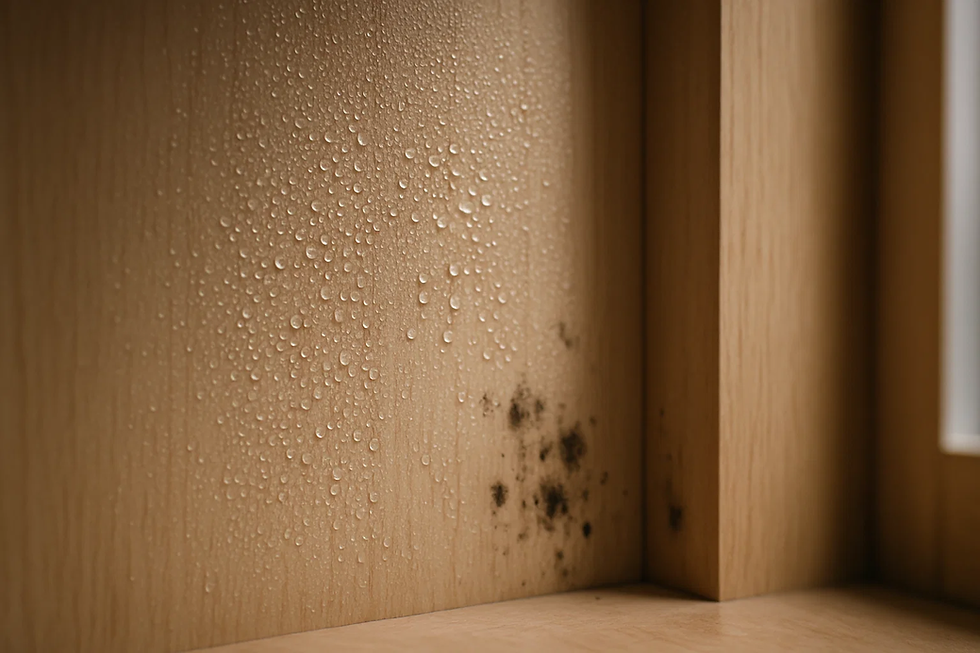
A musty odour is caused by moisture and the organic breakdown of materials in a poorly ventilated space. In most cases, this means:
• Mould or mildew growth somewhere nearby
• High humidity levels trapping moisture in walls or furniture
• Poor air circulation, especially in rooms with closed windows and doors
• Damp items left inside such as laundry, cardboard, shoes, or books
• Moisture buildup from aircon condensation or leaks
Even if you can’t see mould yet, the smell can show up first, which makes it an early warning sign.
Common Spots That Trap Musty Smells
If you notice the smell but can’t find the source, here are some places worth checking:
• Behind or under beds and sofas
• Inside built-in wardrobes and cabinets
• Around window frames or sliding door tracks
• Behind curtains and blackout blinds
• Corners of the ceiling near the aircon
• Under sinks, especially if there is a slow drip or pipe condensation
How the Smell Affects Indoor Air Quality
You might get used to the smell after a while, but your body does not. A musty-smelling room means you are likely breathing in mould spores or damp air every day. This can lead to:
• Fatigue and brain fog
• Persistent coughing or throat irritation
• Itchy skin or eyes
• Worsening of allergies or asthma
• Sleep disruptions or light-headedness in the mornings
What Not to Do
Covering up the smell with sprays or deodorisers only hides the problem temporarily. It will not get rid of the source.
The longer the smell lingers, the more likely mould is growing in hidden areas like inside walls, behind furniture, or within soft furnishings.
How to Get Rid of That Musty Smell for Good
Start by doing these:
• Use a dehumidifier daily to draw out moisture
• Open windows when possible to flush stale air
• Check for signs of water leaks or condensation
• Wash or sun-dry curtains, rugs, and cushions
• Vacuum corners and enclosed spaces where dust settles
• Avoid drying laundry inside the room
But if the smell stays no matter what you do, there is likely an underlying mould problem that needs professional treatment.

How Sterng Can Help
We do not just treat visible mould. At Sterng, we investigate what is feeding the musty smell. That includes checking airflow, moisture hotspots, and hidden surfaces where mould grows silently.
We clean, treat, and fog your space to remove spores and odour at the root, not just the surface. After that, we advise you on how to keep it from coming back.
Final Thoughts
In Singapore, a musty smell is not something to ignore. It is your room’s way of telling you there is a problem. The sooner you act, the easier it is to stop it from becoming a full-blown mould situation.
If your room smells damp or stale and nothing seems to help, Sterng offers free inspections across Singapore. Tap here to WhatsApp us and let us help your space smell clean again for good.
Comments